Next Generation of Discovery Loops
ELLIS UnConference 2026 Workshop on December 8, at 14:00-16:00 in Paris
How will the design-build-test-learn loops be run and steered in scientific discovery and development work, given the machine learning advances in generative models, sequential decision making, experimental design, human-AI collaboration, and advances in AI4Science in multiple domains?
Motivation and Scope
Generative model-based solutions have been rapidly transformed from passive tools into active collaborators in human decision-making and discovery. AI-powered Design-Build-Test-Learn (DBTL) loops already generate hypotheses and candidate designs for scientific discovery, invoke computational tools, design experiments, and participate in increasingly automated laboratories, together with the human researcher in the loop. The challenge is no longer in merely introducing or improving stand-alone AI models to improve efficiency of these individual DBTL stages, but in building a new generation of discovery loops. In the loops, AI actively and adaptively collaborates with the human decision maker under uncertainty, in order to optimise, automate, and coordinate together the whole iterative DBTL discovery process, requiring an interplay of several machine learning angles: generative modelling, sequential decision-making and experimental design, human–AI collaboration, and advances in AI for science across domains.
To be more specific, our workshop will focus on how generative models and AI-for-Science capabilities can best be coupled with adaptive experimentation and human steering to optimise, automate, and coordinate complete DBTL discovery processes. Workshop Questions (WQs) to be addressed include:
- WQ1. How can generative models be directed towards useful novel hypotheses, among the massive number of alternatives?
- WQ2. How can automatic experimental design be generalised to remain effective under model misspecification and to maximise downstream utility?
- WQ3. How can AI help scientists steer when they cannot yet fully specify the goal themselves?
All this needs to be done under uncertainty, and connected to existing models while improving them based on collected new evidence.
Addressing these challenges requires a genuinely interdisciplinary perspective. Drawing on advances in both subfields of machine learning and AI for science across molecule discovery, health, and astronomy, the workshop will examine how domain-specific scientific models, computational tools, and automated experimentation can inform generative proposals and their evaluation, and how experimental evidence and researcher’s feedback can, in turn, refine these models and steer subsequent rounds of generation and experimentation. This workshop will bring together researchers working on generative modelling, interactive learning, reinforcement learning, AI for Science, robust machine learning, experimental design, human-centred AI, and computational rationality, for AI-assisted discovery and development. In particular, it will foster dialogue across multiple ELLIS Research Programmes, including Interactive Learning and Interventional Representations, Human-centric Machine Learning, and Robust Machine Learning while engaging closely with application-linked communities such as ELLIS Health, Machine Learning for Earth and Climate Sciences, and Machine Learning for Molecule Discovery.
Program Schedule
The schedule is assigned to the afternoon session: 14:00 to 16:00, on the workshop date: 8th December 2026.
| Time | Event |
|---|---|
| 14:00~14:03 | Opening |
| 14:03~14:23 | Invited talk 1: Max Welling |
| 14:23~14:43 | Invited talk 2: Tom Rainforth |
| 14:43~14:53 | Lightning talks: the authors of the three selected contributions |
| 14:53~15:13 | Invited talk 3: Andrew Howes |
| 15:13~15:33 | Invited talk 4: Anna Scaife |
| 15:33~15:58 | Panel discussion with speakers |
| 15:58~16:00 | Closing session |
Speakers
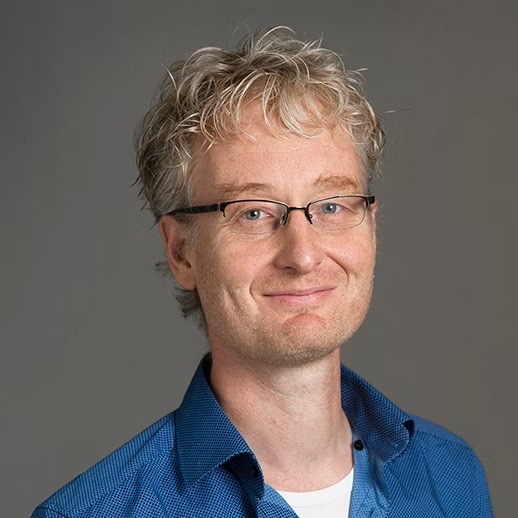
Max Welling Professor University of Amsterdam [GoogleScholar] |
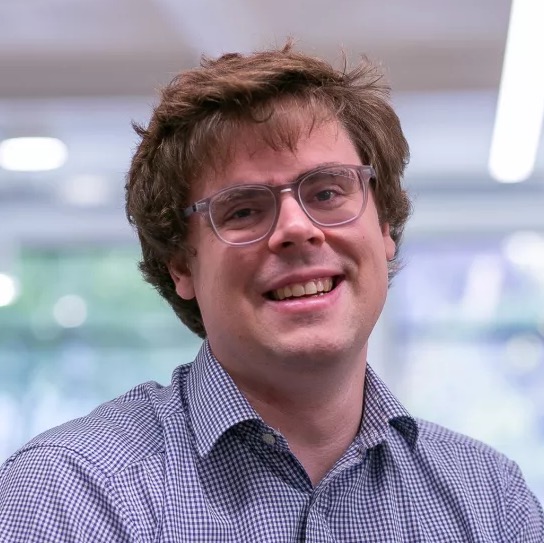
Tom Rainforth Professor University of Oxford [GoogleScholar] |
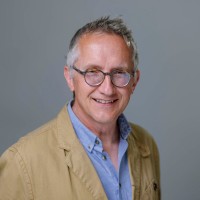
Andrew Howes Professor University of Exeter [GoogleScholar] |
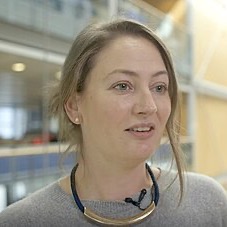
Anna Scaife Professor University of Manchester [GoogleScholar] |
Panel Discussion
This interactive discussion will be with the panel including all speakers, regarding the main Workshop Questions WQ1 to WQ3 and the relevant questions from both in-person attendees, collected via an online form. The questions can be also regarding four invited talks or the lightning talk. By this, we provide a chance to interact among the participants including the speakers and audiences, both online and offline.
Call for Submissions
We invite non-archival submissions related to Workshop Questions WQ1–WQ3. Relevant areas include
- Generative modelling
- Interactive learning
- Reinforcement learning
- AI for Science
- Robust machine learning
- Experimental design
- Human-centred AI
- Computational rationality,
for AI-assisted discovery and development. We welcome methodological and application-focused contributions from
- Molecular discovery
- Health
- Astronomy
- Earth and climate sciences
- Other scientific domains.
The review process is double-blind, submissions must be anonymised. Submissions should be either
- Abstracts (up to 500 words), or
- Short papers (up to 4 pages), presenting preliminary results or emerging ideas.
References and optional appendices are not limited, but
papers will be judged by the merits of the main text.
Please submit the anonymised draft via
- Submission website: ELLIS 2026 Workshop NGDL (OpenReview).
Please use our LaTeX template, with the option \usepackage[dblblindworkshop]{ngdl_2026} for submission and \usepackage[dblblindworkshop, final]{ngdl_2026} for a final version after acceptance. All accepted submissions will be showcased in the poster session, and three selected contributions will be invited to give lightning talks. The key dates are:
- Submission deadline: 4th November 2026 (anywhere on earth)
- Author notification: 12th November 2026 (anywhere on earth)
- Workshop date: 8th December 2026. Our session time: 14:00 to 16:00.
Venue: Palais des Congrès de Paris, Paris, France, in conjunction with ELLIS UnConference 2026.
For any questions, please reach out to: nextgendiscloop@gmail.com;
for more details of the event, please check ELLIS UnConference 2026.
Organising Team
ELLIS Robust ML Program
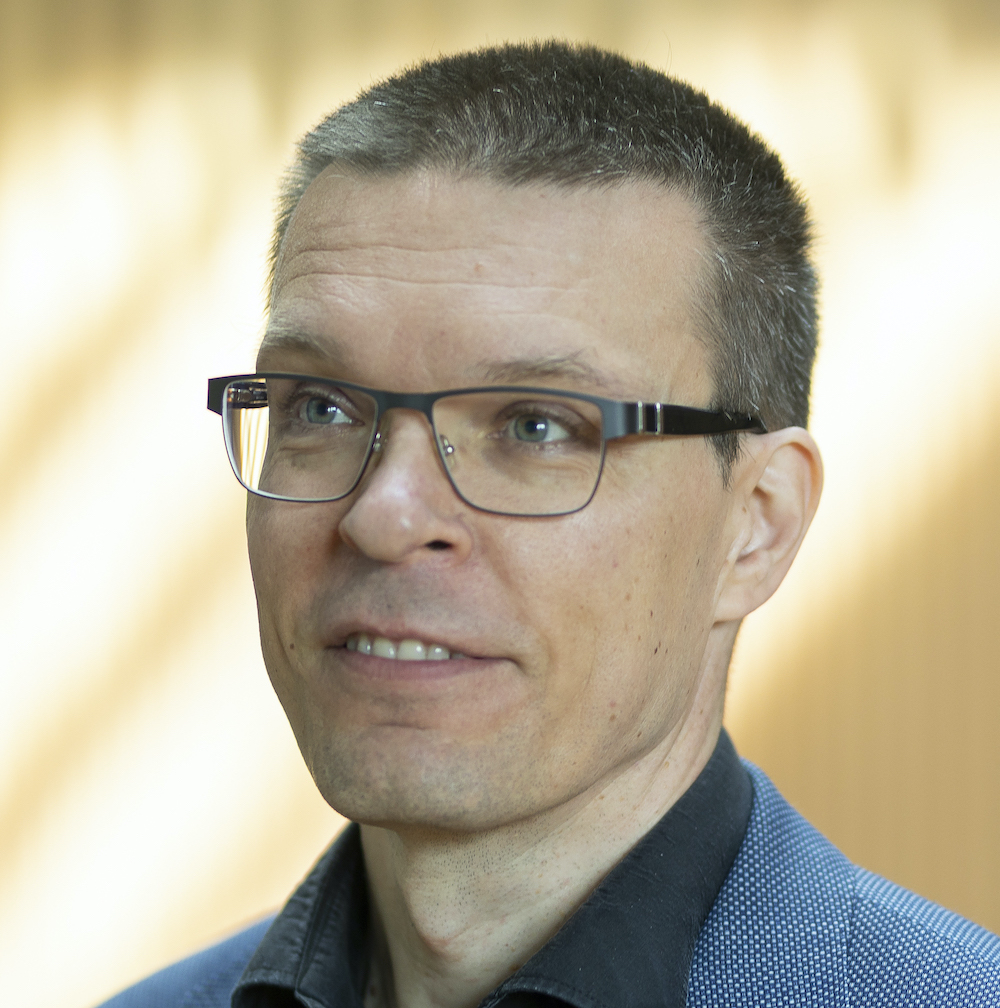
Samuel Kaski Professor University of Manchester Aalto University ELLIS Institute Finland ELLIS Unit Manchester |
Chris Holmes Professor University of Oxford ELLIS Unit Oxford |
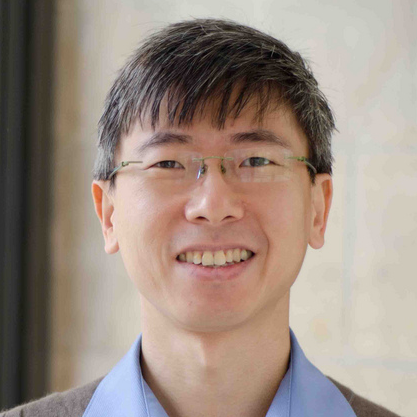
Yee Whye Teh Professor University of Oxford Deepmind ELLIS Unit Oxford |
Kaski Lab (ELLIS Institute Finland; ELLIS Unit Manchester)
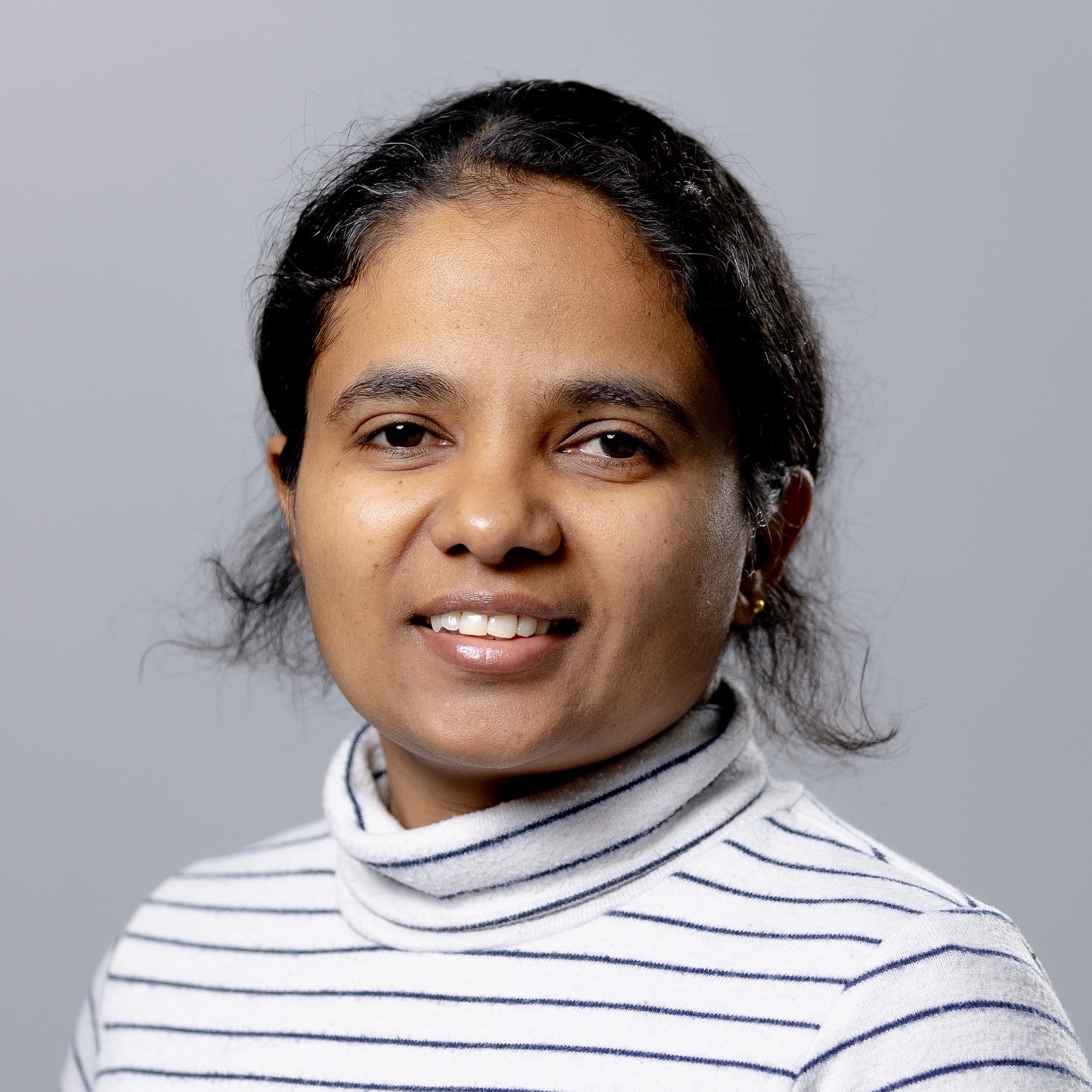
Haripriya Harikumar Research Fellow University of Manchester |
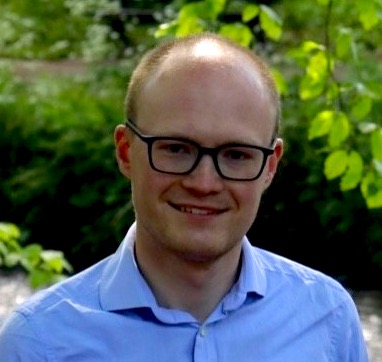
Dmitry Kangin Research Fellow University of Manchester |
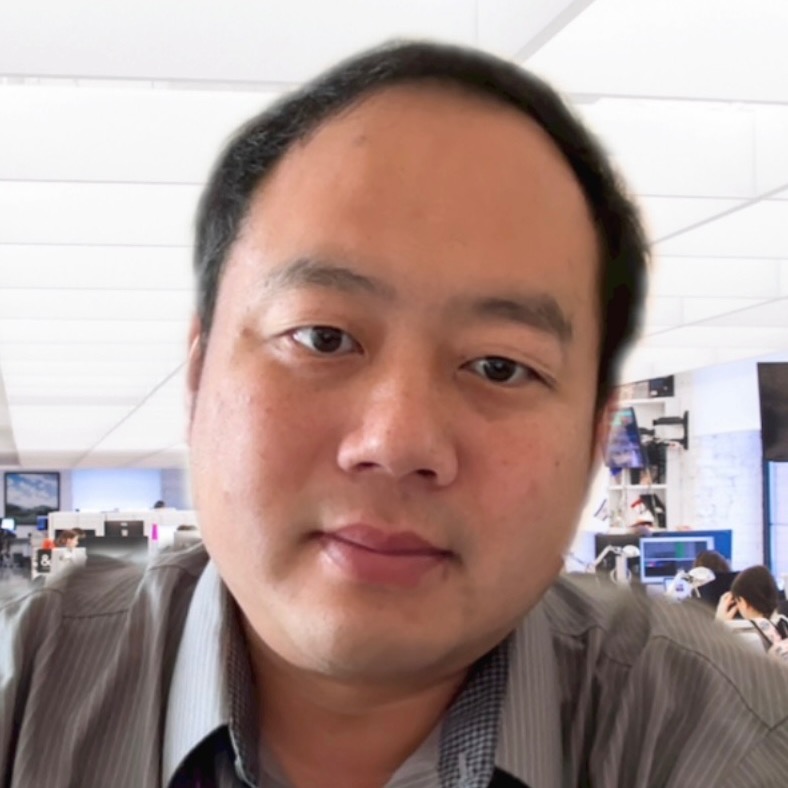
Jaeyoung Lee Research Fellow University of Manchester |
Other ELLIS Programs
| ELLIS ML for Molecule Discovery program |
ELLIS Health program | ELLIS Interative Learning & Interventional Repr. prog. |
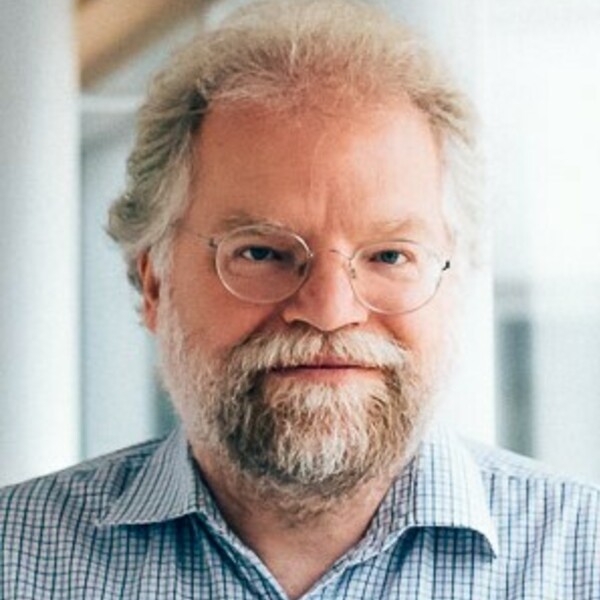
Ola Engqvist Head Molecular AI AstraZeneca Chalmers Univ. of Tech. |
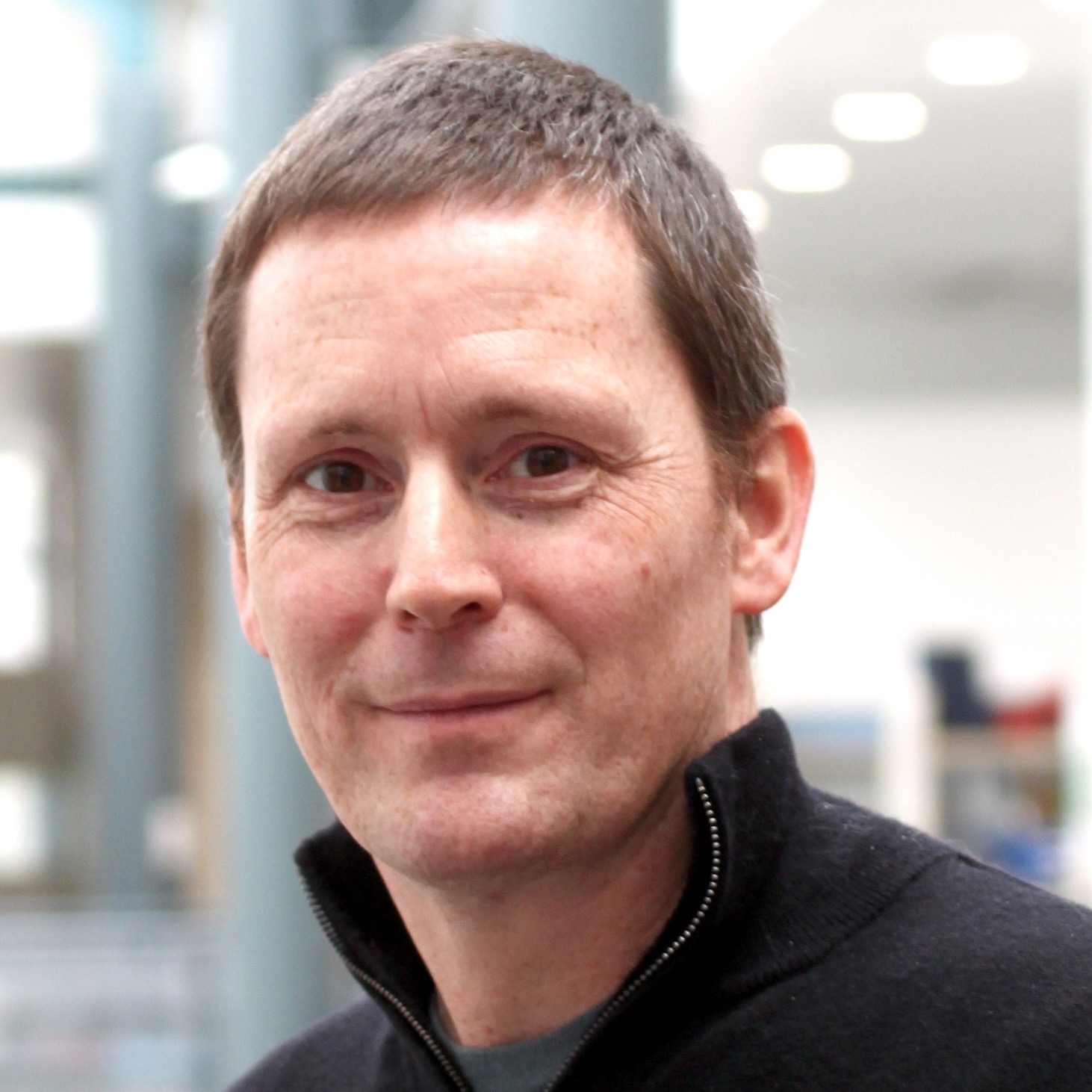
Magnus Rattray Professor University of Manchester |
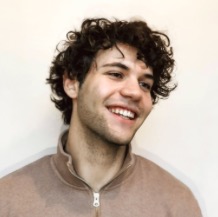
Riccardo De Santi PhD researcher ETH Zurich |
Organizers Affiliations
 |
 |
 |
 |
 |
 |
 |
 |
 |
* ELLIS institute, units and programs involved in this workshop are ELLIS Institute Finland, ELLIS Unit Manchester, ELLIS Unit Oxford, ELLIS Health program, ELLIS Robust ML program, ELLIS ML for Molecule Discovery program, and ELLIS Interactive Learning and Interventional Representation program.
Acknowledgements
This work was supported by The Centre for AI Fundamentals, Manchester, the UKRI Turing AI World-Leading Researcher Fellowship [EP/W002973/1], and EU funding ERC ODD-ML 101201120 *.
|
 |
 |
* Views and opinions expressed are however those of the author(s) only and do not necessarily reflect those of the European Union or the European Research Council Executive Agency. Neither the European Union nor the granting authority can be held responsible for them.